
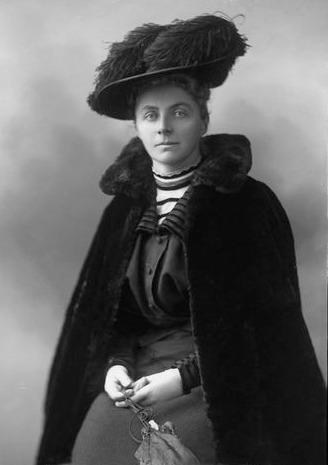
#OnThisDay, 24 Jan 1901, British aid-worker Emily Hobhouse first visits Bloemfontein concentration camp in South Africa.
Her reporting on the conditions white South Africans are being held in by the British government causes uproar.
Short 🧵
Note: if you search to learn more about her work, please be aware you may find images of dead children.
#WomenInHistory #OTD #History #WomensHistory #BritishHistory #History #Histodons
1/4
CarveHerName
in reply to CarveHerName • • •In response to the uproar, the British government sent an all-woman commission to investigate led by suffragist campaigner Millicent Fawcett.
In late 1901, her commission confirmed Hobhouse's findings. The camps were taken out of military control until the end of the war in May 1902.
2/4
CarveHerName
in reply to CarveHerName • • •Hobhouse needed permits to travel and was only allowed to visit the camps holding White South Africans. Separate camps were set up for Black people by the British.
In total there were an estimated 280,000 white and black women and children in the camps but the true number may never be known.
The total combined deaths in the camps was 55,000. Of which the majority were children under 16.
3/4
CarveHerName
in reply to CarveHerName • • •Hobhouse's ashes are interred in the National Women's Monument at the site of one of the camps.
Her former home in Cornwall is now a museum about her: thestoryofemily.com/
“Liberty is the equal right and heritage of every child of man, without distinction of race, colour or sex.” Emily Hobhouse, 1913.
My thanks to Hobhouse biographer Elsabe Brits over on Bluesky for refining this thread.
4/4
the story of Emily
thestoryofemily.com